Imagine trying to stream a high-definition movie on a busy train. A few years ago, you’d face constant buffering and dropped signals. Now, modern cellular technology has changed how you use your mobile devices. It turns frustrating delays into a smooth digital experience using Performance Analysis .
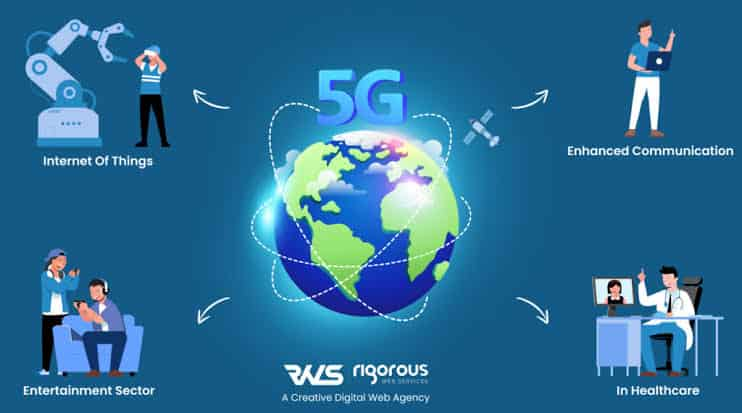
This change isn’t just about faster downloads. It’s about the reliability and consistency of your connection. Experts analyze 5G networks to set important benchmarks for real-world speed. These benchmarks help us see how new standards enhance our daily lives.
As we dive into this world, you’ll discover how data insights shape the future of telecom. We’ll look at what affects your signal quality and satisfaction. Performance Analysis Knowing these technical basics is key to mastering your digital world.
Key Takeaways
- 5G technology has revolutionized mobile connectivity and user expectations.
- Rigorous testing provides a benchmark for real-world speed and reliability.
- Modern standards significantly reduce latency during daily digital tasks.
- Technical metrics help define the current state of global telecommunications.
- Understanding these systems empowers you to optimize your personal device usage.
The Evolution of Connectivity
The history of wireless networks shows a big change from old systems to today’s standards. This change is all about getting faster, more efficient, and cutting down on delays. Performance Analysis Knowing this history helps us see why today’s networks need such careful testing and constant checks.
rom 4G LTE to 5G New Radio
The move from 4G LTE to 5G New Radio (NR) is more than just a speed boost. While 4G LTE mainly helped smartphones get online, 5G NR is made for a wide range of devices. It uses a new air interface that makes better use of the airwaves.
This new interface lets your devices talk to the network better. With 5G’s use of higher frequencies, it can handle lots of data at once. Performance Analysis This change is key for keeping up with the growing demand for fast, real-time connections in our lives.
The Shift in Network Architecture
Today’s networks are moving from old, hardware-based designs to Software-Defined Networking (SDN) and virtualization. This change lets service providers manage their networks in new ways. Now, functions are handled by software that can be updated or scaled up quickly.
This new design is the heart of today’s network performance. It makes sure your connection stays strong, even when lots of people are online. Below is a table showing the main differences between these mobile tech generations.
| Feature | 4G LTE | 5G New Radio |
|---|---|---|
| Primary Focus | Mobile Broadband | Massive Connectivity |
| Latency | Moderate (30-50ms) | Ultra-Low ( |
| Architecture | Hardware-Centric | Software-Defined |
| Peak Data Rate | Up to 1 Gbps | Up to 20 Gbps |
Core Metrics in the Performance analysis of 5G networks
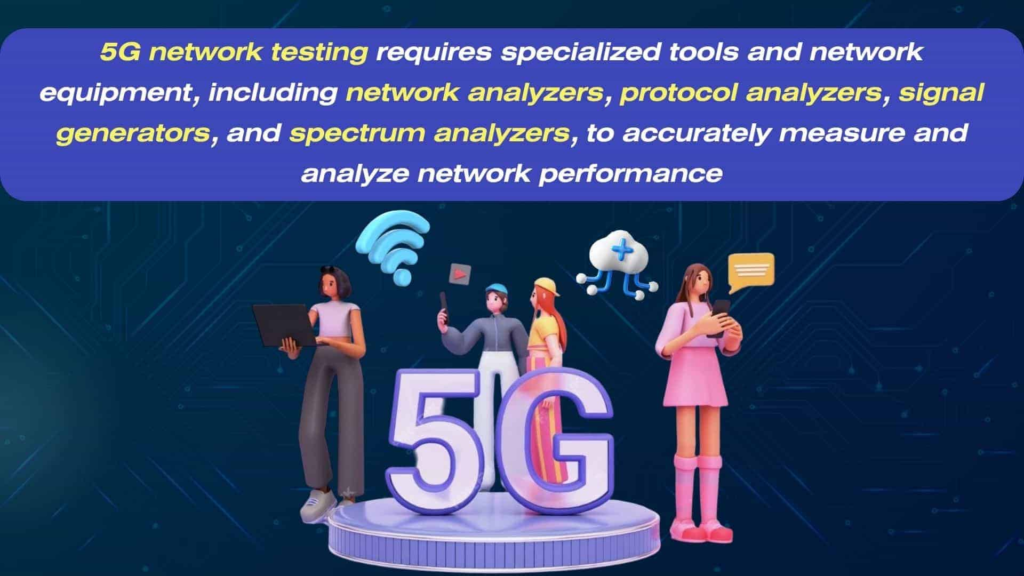
When you check the performance analysis of 5G networks, you see many important factors. These factors help us understand how fast and reliable your mobile device is. By watching these numbers, engineers keep your connection strong, even when lots of people are using it.
Understanding Data Throughput and Peak Speeds
Data throughput shows how much info is moved over the Performance Analysis in a set time. Peak speeds are the highest possible, but throughput shows what you really get. These numbers are found by testing signal strength and bandwidth in different frequency bands.
“The true measure of a network is not just its top speed, but its ability to maintain consistent performance when the environment becomes challenging.”
Latency Benchmarks for Real-Time Applications
Latency is how long it takes for data to go from your device to a server and back. Low latency is key for 5G network performance metrics, especially for apps that need quick responses. Without these tight times, things like remote surgery or urgent video calls would be very slow.
Connection Density and Network Capacity
Connection density shows how many devices one cell site can handle at once without losing quality. In busy cities, this is crucial to avoid network jams. Here’s how these metrics compare in different places:
| Metric | Urban Environment | Rural Environment |
|---|---|---|
| Peak Speed | Very High | Moderate |
| Latency | Ultra-Low | Low |
| Device Density | High Capacity | Low Capacity |
By controlling these factors, providers let thousands of users stay connected at once. This mix of speed and capacity makes modern mobile tech Performance Analysis very useful for everyday life.
How 5G Network Quality of Service Impacts Your Daily Life
You might not see the hard work behind your screen, but it changes your online life. The 5G network quality of service is like the invisible base for all you do online. It makes Performance Analysis your device faster and more reliable, no matter where you are.
treaming High-Definition Content Without Buffering
Those annoying loading icons are a thing of the past. With top-notch 5G, data moves quickly and smoothly. This means you can watch 4K videos anywhere without buffering.
Enhancing Mobile Gaming Responsiveness
For gamers, every second counts. With 5G, your actions are almost instant. This seamless responsiveness lets you play games with precision, unlike before.
Reliability During Peak Usage Hours
Slowdowns happen when lots of people are online at once. But 5G Performance Analysis keeps the network running smoothly, even when it’s busy. You get stable connectivity Performance Analysis at any time, whether it’s early morning or late evening.
| Feature | 4G LTE Performance | 5G Network Performance |
|---|---|---|
| Streaming Stability | Occasional Buffering | Seamless 4K Playback |
| Gaming Latency | High (50ms+) | Ultra-Low ( |
| Peak Hour Reliability | Significant Congestion | Consistent Throughput |
Technical Factors Influencing 5G Network Performance Monitoring
Knowing the technical details of your mobile connection is key for 5G network performance monitoring. Engineers work hard to make sure your data gets to Performance Analysis you quickly and reliably. By studying these factors, providers can keep your speeds and reliability high.

Spectrum Allocation and Frequency Bands
The base of your mobile connection Performance Analysis is the spectrum used for data transmission. Low-band spectrum covers a lot of ground but is slower. On the other hand, millimeter-wave (mmWave) bands are super fast but only work over short distances. Finding the right mix of these bands is crucial for 5G network performance monitoring to give you a strong signal everywhere.
The Impact of Beamforming Technology
Modern Performance Analysis use beamforming to boost efficiency. This tech sends radio waves directly to your device in a precise beam. It cuts down on interference and strengthens your connection, even in busy spots.
Signal Propagation in Urban Environments
High-frequency signals have a hard time in crowded cities. Buildings, glass, and plants can block them, causing signal drops. So, 5G network performance monitoring must always adjust to these obstacles. This ensures your mobile experience stays smooth, no matter the city’s complexity.
Strategies for Effective 5G Network Optimization
To keep service high, engineers use special strategies for 5G network optimization. These steps make sure your mobile use stays smooth, even as data needs grow in the U.S. By working on both hardware and software, providers aim to give you the fast and reliable service you want.

Small Cell Deployment and Infrastructure Upgrades
Improving signal quality is key, and small cells play a big role. These Performance Analysis small base stations help cover areas where big towers can’t reach well.
By putting Performance Analysis units on streetlights or building sides, providers boost network power in busy spots. This infrastructure upgrade means fewer dropped calls when you’re on the move or at crowded events.
Network Slicing for Dedicated User Experiences
Network slicing lets providers make special lanes for different types of data. This way, the network focuses on important apps, giving you a premium user experience.
For example, a slice can be for emergency services or HD video streaming to avoid slowdowns. This approach makes sure your key tasks get the bandwidth they need, Performance Analysis without being slowed by other activities.
Edge Computing Integration
Edge computing brings data processing closer to you. This cuts down the time data takes to travel, making things faster.
This is crucial for Performance Analysis apps like cloud gaming or remote work. When your device talks to an edge server nearby, it works much better and faster.
| Strategy | Primary Benefit | Target Environment |
|---|---|---|
| Small Cell Deployment | Increased Capacity | Dense Urban Areas |
| Network Slicing | Traffic Prioritization | Enterprise & Consumer |
| Edge Computing | Reduced Latency | Real-time Applications |
| 5G Network Optimization | Overall Performance | Nationwide Coverage |
Comparing 5G Performance Across Major United States Carriers
When you look at mobile options, 5G network performance varies a lot in the United States. Each big provider has its own way to improve your 5G network quality of service. This means you get different experiences based on where you are.

Analyzing Verizon 5G Ultra Wideband Coverage
Verizon has worked hard on its Ultra Wideband network. It offers blistering speeds in busy cities. They use high-band millimeter wave spectrum for superior data throughput, making it feel like fiber-optic.
This ensures top-notch 5G network quality in cities and crowded places.
Evaluating T-Mobile 5G Extended Range and Capacity
T-Mobile balances wide coverage with mid-band spectrum. Their goal is a consistent experience in suburbs and rural areas. They use a layered network for reliable 5G service, even outside cities.
Assessing AT&T 5G Performance and Reliability
AT&T focuses on a steady connection nationwide. They aim for network stability for tasks like video calls and web browsing. Performance Analysisbalanced 5G service makes them a solid choice for predictable performance anywhere.
The Role of Latency and Throughput in User Experience
When you browse the web, you interact with complex 5G network performance metrics. These two factors are key for every digital task, from emails to cloud-based workflows. Knowing how they work helps you appreciate the speed of modern mobile tech.
Why Low Latency Matters for Cloud Computing
Low latency is crucial for cloud computing. Performance Analysis makes sure your commands reach the server fast, making remote apps feel like they’re installed on your device.
Without quick responses, cloud tools would be slow. Performance Analysisin data transmission lets professionals edit videos or run simulations from anywhere in the U.S.
Balancing Throughput for Large File Transfers
Latency deals with the speed of the initial connection. Performance Analysis, on the other hand, is about how much data you can move at once. High throughput is key for downloading big files or uploading media to cloud storage.
“The true measure of a network is not just how fast it starts, but how much it can carry without breaking a sweat.”
Monitoring 5G network performance metrics shows how throughput prevents slowdowns during heavy use. Here’s how these metrics affect your daily activities:
| Activity | Latency Requirement | Throughput Need |
|---|---|---|
| Cloud Gaming | Ultra-Low | Moderate |
| 4K Video Streaming | Low | High |
| Large File Uploads | Medium | Very High |
The Psychological Impact of Instant Connectivity
Instant responses make your experience smoother and more satisfying. When your device acts fast, it feels like an extension of you, not a separate tool.
Performance Analysis change is significant. It lowers the mental effort needed when waiting for pages to load. By improving 5G network performance, providers keep your digital life smooth, productive, and stress-free.
Overcoming Challenges in 5G Deployment and Signal Stability
5G offers fast speeds, but real-world issues can slow it down. Engineers face many challenges to keep your service stable. 5G network optimization is key to making the dream of fast speeds a reality.
Addressing Obstacles in Indoor Signal Penetration
Millimeter wave speeds are amazing but can’t get through solid objects well. Materials like concrete and glass block these signals. This leads to dropped connections or slow speeds indoors.
To fix this, providers use small cells and indoor antennas. These Performance Analysis help signals get through buildings, keeping your connection strong.
Managing Interference in Dense Metropolitan Areas
In busy cities, lots of devices cause signal problems. With so many users, the network gets crowded. 5G network optimization is crucial to handle this traffic.
Engineers use beamforming to focus signals on your device. This reduces interference, making service better for everyone.
Hardware Compatibility and Device Limitations
Your device’s hardware affects your speeds. Even with a great network, old devices can’t reach top speeds. This is because they lack the right antennas.
Keep your device’s software updated to enjoy the latest network Performance Analysis features. It’s important for both your device and the network to work well together.
| Challenge Type | Primary Impact | Mitigation Strategy |
|---|---|---|
| Indoor Penetration | Signal attenuation | Small cell deployment |
| Urban Density | Network congestion | Beamforming technology |
| Device Hardware | Speed limitations | Firmware updates |
Future Trends in Mobile Network Performance
The next generation of mobile networks is set to change how we use the internet. Technology is moving towards making networks more reliable and fast. 5G network performance monitoring will keep your connection strong as new standards come.
The Transition Toward 5G Advanced
The industry is moving to 5G Advanced, a big step up from current networks. This upgrade aims for greater efficiency and supports complex industrial apps. You’ll see smoother operations with thousands of devices connected at once.
Preparing for the Integration of 6G Technologies
Even as 5G gets better, work on 6G is starting. 6G aims to make speeds and latency even lower. Ultra-low latency will make your daily tasks feel instant.
The Role of Artificial Intelligence in Network Management
Artificial intelligence is key in modern telecom. It uses machine learning to solve problems before you notice them. This smart approach to 5G network performance monitoring lets systems adjust on their own.
These smart systems look at traffic patterns to use resources wisely. Your mobile experience will be more consistent and reliable, Performance Analysis even with lots of users. The future of internet is faster, smarter, and more intuitive.
Conclusion
Knowing how 5G networks work lets you control your digital life better. You can now see how signal strength, latency, and speed affect your tech use Performance Analysis.
Mobile connectivity is always changing, thanks to Verizon, T-Mobile, and AT&T. Keeping up with these updates helps you pick the best plans and devices for you.
Future tech like 5G Advanced and 6G will make networks even faster and more reliable. By staying current, you can adjust your tech habits to match these improvements.
Your digital world depends on these systems working together smoothly. Using Performance Analysis knowledge, you can keep your mobile experience quick, reliable, and ready for new wireless tech.
FAQ
What is the primary purpose of a performance analysis of 5G networks?
A performance analysis of 5G networks is key to check how well your mobile connection works. It looks at speed and reliability against 5G New Radio standards. This helps experts see if the network meets your needs for fast and reliable internet.
Which 5G network performance metrics have the most significant impact on your mobile experience?
The most important 5G network performance metrics are data throughput, peak speeds, and latency. Throughput shows how much data you can send at once. Low latency is crucial for smooth video calls and games.
Connection density is also vital. It shows how well your network works in crowded areas with many devices.
How does 5G network optimization improve your connection in high-traffic areas?
5G network optimization includes adding small cells and using network slicing. This helps carriers like Verizon and AT&T manage traffic better. It also uses edge computing to reduce lag and improve performance in busy areas.
Why is 5G network quality of service important for your streaming and gaming habits?
5G network quality of service (QoS) is crucial for smooth streaming and gaming. It ensures fast and reliable connections. This means less buffering and better gaming performance, even when many are online.
What role does 5G network performance monitoring play in maintaining signal stability?
Constant 5G network performance monitoring helps engineers keep an eye on important details. It tracks things like spectrum allocation and signal propagation. This is especially important for millimeter-wave signals, which can be blocked by buildings.
Monitoring tools help direct signals to your device, ensuring a stable and fast connection in cities.
How do the 5G offerings of Verizon, T-Mobile, and AT&T differ in performance?
Each carrier has its own approach. Verizon 5G Ultra Wideband focuses on high speeds in cities. T-Mobile 5G uses a mix of Extended Range and mid-band spectrum for good coverage and speed. AT&T aims for reliable service everywhere. Your experience depends on your device and the carrier’s management in your area.
What future trends should you expect in 5G network performance?
Look forward to 5G Advanced for better efficiency. Later, 6G technologies will push speed and latency even higher. Artificial intelligence will also play a bigger role in managing networks, solving problems before you notice them.