Imagine waking up to find your digital life locked away by a stranger. Last year, a friend of mine lost access to years of family photos and personal documents because of one simple, missed update. This experience shows that in 2026, protecting your data is a cybersecurity-critical life skill.
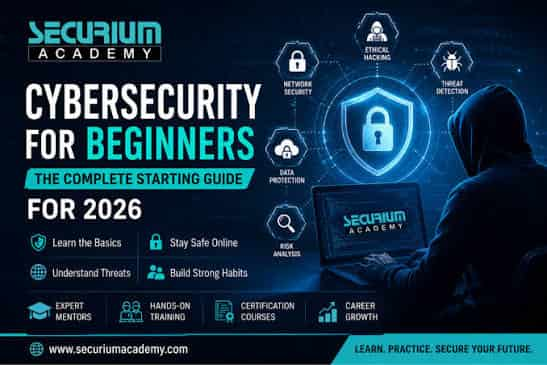
The digital world changes quickly, and staying safe needs a proactive approach. By learning basic digital hygiene, you can surf the web with confidence and caution. This guide is your roadmap to understanding modern Cybersecurity and keeping your private info safe.
Key Takeaways
-
- Digital safety is a fundamental skill for everyone in 2026.
-
- Proactive habits prevent common online threats and data loss.
-
- Regular software updates are your first line of defense.
-
- Mastering digital hygiene builds long-term online confidence.
-
- Small, consistent actions protect your most sensitive personal data.
Establishing a Strong Foundation for Personal Cybersecurity
Building a strong defense starts with knowing your digital world. As tech grows, so do threats to your privacy. By understanding these risks, you can protect your digital life.
Understanding the Modern Threat Landscape
In 2026, our digital world is more connected than ever. This makes it easier for attacks to happen. Today’s cyber threats include AI scams and complex tricks to fool people.
Knowing about these threats is key to staying safe. Attackers keep getting better at avoiding security. Being aware helps you avoid trouble before it starts.
| Threat Type | Primary Target | Risk Level |
|---|---|---|
| Phishing | User Credentials | High |
| Malware | System Integrity | Medium |
| Data Harvesting | Personal Identity | Critical |
The Importance of a Security-First Mindset
Having a security-first mindset is the best way to stay safe Cybersecurity online. It means being careful with every digital action. This way, you avoid common mistakes that hackers look for.
This mindset doesn’t mean living in fear. It’s about being careful and thoughtful. By double-checking links and emails, you help protect yourself. Being always on guard is key to fighting off cyber threats.
Your dedication to cybersecurity is your best defense. By making Cybersecurity these habits part of your daily life, you become a protector of your digital world.
Securing Your Digital Identity with Advanced Authentication
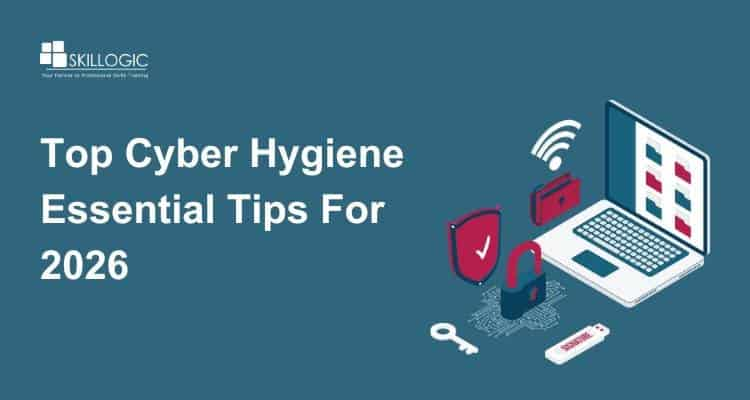
Modern cyber threats often target weak authentication. It’s crucial to upgrade your security. Your digital identity is key to your personal info, making it a top security priority in today’s cybersecurity world.
Implementing Multi-Factor Authentication Across All Accounts
Multi-factor authentication (MFA) is a strong defense against unauthorized access. It requires a second verification step, like a code from a mobile app or a hardware key. This makes sure a stolen password can’t alone breach your account.
Turn on MFA for all platforms that offer it, especially for email, banking, and social media. This simple action greatly reduces the risk from cyber threats trying to bypass standard login methods.
Utilizing Password Managers for Unique Credential Storage
Handling many complex passwords is hard for most people. A password manager is like a secure digital safe. It lets you store unique, strong passwords for every account.
Tools like Bitwarden or 1Password prevent a breach on one site from affecting others. This is key to strong cybersecurity, as it stops the bad practice of using the same password everywhere.
Best Practices for Creating Unhackable Passphrases
When making a password, focus Cybersecurity on length and complexity to outsmart cyber threats. A long passphrase with four or more random words is safer than a short, complex string.
-
- Avoid using personal info like birthdays or pet names.
-
- Use a mix of uppercase letters, numbers, and symbols.
-
- Shoot for a minimum of 16 characters for better cybersecurity.
By following these tips, you make Cybersecurity passwords hard for machines to guess but easy for you to remember. Consistency in using these practices will protect your digital identity from threats.
Protecting Your Devices from Malware and Exploits
Keeping your computer and mobile devices safe from malware is key in today’s cybersecurity. Your devices are the first line of defense against cyber threats. If they’re not secure, your personal data can be at risk.
Keeping Operating Systems and Software Updated
Software makers often release updates to fix security issues. These updates help block hackers from getting into your system. By turning on automatic updates, you keep your system and apps safe from new threats.
Not updating your software is a big mistake. It makes Cybersecurity your device an easy target for hackers. Keeping your software up to date is a simple yet powerful way to stay safe online.
“The most secure computer is one that is kept up to date and patched against the latest vulnerabilities.”
Deploying Reliable Antivirus and Endpoint Protection
Today’s endpoint protection tools do more than Cybersecurity just scan for viruses. They watch your system for any odd behavior in real-time. These tools act as a digital shield, catching and stopping harmful files before they can harm your data or hardware.
It’s important to pick a trusted security suite. Look for one that scans well and has a strong firewall. Keeping an eye on your system’s health is crucial to stop cyber threats in their tracks.
Recognizing Signs of Device Compromise
Even with strong protection, you need to Cybersecurity watch for signs your device might be in trouble. Look out for unexpected system crashes, slower performance, or changes to your browser settings without your permission.
If you see strange pop-ups or apps you didn’t install, act fast. Disconnect from the internet right away. A full system scan is the first step to getting your security back and making sure your device is clean.
Navigating Secure Network Connections
Protecting your data starts with how you connect to the internet at home and abroad. Using strong cybersecurity measures keeps your private info safe, no matter where you are.
Securing Your Home Wi-Fi Network Configuration
Your home router is like your digital home’s front door. To keep it safe, change the default login details right away. Make sure your network uses WPA3 encryption for the best protection.
Setting up a guest network for visitors or smart Cybersecurity devices is a good idea. This keeps your main devices safe from potential threats. These steps help a lot in keeping your network secure.
Using Virtual Private Networks for Public Internet Access
When you’re out, you can’t control the network. A Virtual Private Network (VPN) encrypts your data, making it safe from hackers. It’s key for using public Wi-Fi safely.
“Security is not a product, but a process that requires constant attention to how we connect and share information.”
Identifying Risks of Unsecured Public Hotspots
Public Wi-Fi spots like cafes and airports are often not secure. Hackers can easily get your login details or files. Here’s what you need to watch out for:
| Risk Type | Potential Impact | Prevention Method |
|---|---|---|
| Packet Sniffing | Data theft | Use a VPN |
| Evil Twin Attacks | Credential harvesting | Verify network name |
| Man-in-the-Middle | Session hijacking | Disable auto-connect |
Knowing these dangers helps you stay safe online. Always choose encrypted connections to protect your digital life.
Safeguarding Personal Data Against Phishing and Social Engineering
The human element is the weakest link in your information security plan. Cybercriminals use tricks to get into your private accounts. By learning key cybersecurity measures, you can stop these threats before they harm you.
Verifying Email Senders and Link Authenticity
Always check the sender’s email address, not just the name. Scammers often misspell or use similar domains to look real. Before clicking a link, hover your mouse to see where it goes.
If an email tries to scare you, be very careful. Real companies don’t ask for urgent actions via email. Go directly to the company’s website instead of using links in emails.
Recognizing AI-Generated Deception Tactics
Now, attackers use AI to make fake messages that seem real. These messages can even mimic your friends or family. Always doubt any sudden request for personal info, even if it seems right.
Deepfake tech can make fake calls or videos. If something seems off, check who it is through another trusted way. Confirming the request by phone or in person is key to keeping your info safe.
Reporting Suspicious Communications to Authorities
If you spot a phishing scam, report it to help others. Most email services have a “Report Phishing” button. You can also send emails to the Anti-Phishing Working Group or your local consumer protection agency.
| Indicator | Legitimate Communication | Phishing Attempt |
|---|---|---|
| Sender Address | Matches official domain | Slightly altered or generic |
| Call to Action | Provides clear instructions | Creates false urgency |
| Link Destination | Directs to verified site | Redirects to suspicious URL |
| Personalization | Uses your account name | Uses generic greetings |
Managing Privacy Settings on Social Media and Web Browsers
Controlling your online presence begins with checking your privacy settings. Every platform collects data, but you can limit what they see. Adjusting these settings boosts your information security and shrinks your digital footprint.
Auditing App Permissions and Data Sharing
Mobile apps often ask for your location, contacts, and camera access. It’s important to review these permissions regularly. Always say no to features an app doesn’t need.
In your phone’s settings, look under “Privacy” or “App Permissions.” You’ll find apps with too much access to your data. Taking away these permissions is a key cybersecurity measure.
Configuring Browser Privacy Extensions
Web browsers are your digital gateway, but they’re also trackers’ playgrounds. These trackers follow your online activities to learn about you. Privacy extensions can block these scripts and stop unwanted data collection.
Tools like uBlock Origin or Privacy Badger are great at blocking ads and trackers. Once on, they work quietly to protect your privacy. Regular use of these tools is crucial for your information security.
| Privacy Tool | Primary Function | Impact Level |
|---|---|---|
| Privacy Badger | Blocks invisible trackers | High |
| uBlock Origin | Filters ads and scripts | Very High |
| HTTPS Everywhere | Forces encrypted connections | Medium |
| Cookie AutoDelete | Clears site data on exit | High |
Using these cybersecurity measures is easy. By checking your apps and browser extensions, you make your digital space safer. Always check your settings to keep your privacy safe.
Backing Up Your Critical Information
Even the most secure systems can fail, making data redundancy key. When you focus on information security, you should expect hardware failures or attacks at any time. A good recovery plan keeps your files safe from threats.
Applying the 3-2-1 Backup Strategy
The 3-2-1 method is a top cybersecurity measure today. It breaks down data protection into simple steps. By following these steps, you reduce the chance of losing your data forever.
-
- Three total copies of your data: Keep your original file and two separate backups.
-
- Two different storage media: Store your files on at least two distinct types of hardware, such as an internal drive and an external USB.
-
- One offsite copy: Keep one backup in a physically different location, such as a secure cloud service, to protect against fire or theft.
Choosing Between Cloud Storage and Physical Drives
Choosing where to store your backups depends on your needs. Physical drives give you total control over your data without needing the internet. But, they can get damaged or lost if not kept safe.
Cloud storage is great for information security because it keeps your data safe from local disasters. It requires a subscription and internet, but it’s a good choice. Many people use both methods for the best cybersecurity measures.
| Feature | Cloud Storage | Physical Drives |
|---|---|---|
| Accessibility | High (Anywhere) | Low (Requires hardware) |
| Security | Encrypted/Remote | Local/Physical |
| Cost | Monthly Subscription | One-time Purchase |
| Recovery Speed | Dependent on Internet | Fast (Local transfer) |
Monitoring Your Digital Footprint and Financial Accounts
Your digital life needs regular checkups to stay safe. Being alert helps catch breaches early. Using cybersecurity measures keeps your info safe from hackers.
Setting Up Alerts for Unauthorized Activity
Many banks and email services have alert systems. Turn them on to get updates on your accounts. These alerts warn you of suspicious activity.
Here are some alerts to set up:
-
- Transaction alerts: Get texts or emails for big purchases.
-
- Login notifications: Know when someone logs in from a new place.
-
- Password change alerts: Get notified if someone changes your password.
Conducting Regular Security Checkups
Manual checks are also key. A proactive approach finds old sessions or devices. These checks are vital cybersecurity solutions for safety.
Here’s a simple checklist for your monthly review:
-
- Review active sessions: Log out of unused devices.
-
- Audit connected apps: Remove permissions for unused apps.
-
- Check account recovery info: Make sure your contact info is up to date.
By following these cybersecurity measures, you lower your risk. Regular checks keep your digital identity safe. Staying informed is your best defense.
Conclusion
Building a strong defense against threats needs a proactive approach. You now know how to use effective cybersecurity solutions. These protect your personal info from unauthorized access.
Digital safety is an ongoing journey, not just one event. You must stay alert as technology evolves and new threats appear in 2026.
Using these cybersecurity measures consistently keeps your data safe everywhere. Make sure to check your settings and security habits often to keep up the protection.
Your dedication to these practices is a strong shield against bad actors. Share these tips with your friends and family to help them improve their online safety too.
Start making your online life safer today by using these strategies. A safer internet begins with the choices you make every time you log in.
FAQ
Why is adopting a security-first mindset critical for your digital safety in 2026?
In 2026, cyber threats are getting smarter, using automation to find weaknesses. By focusing on security first, you become a proactive defender of your data. This makes you a harder target for hackers trying to steal your information.
What are the most effective cybersecurity solutions for protecting my online accounts?
Start with multi-factor authentication (MFA) on all platforms, like Google and your bank. Use a password manager like 1Password or Bitwarden for strong, unique passwords. This is key to keeping your information safe.
How can I identify if my smartphone or laptop has been compromised by malware?
Watch for signs like battery drain, system crashes, or overheating. Keep your devices updated with the latest security patches. Use tools like Malwarebytes or Bitdefender to catch suspicious activity.
Why is a VPN necessary when I am using public Wi-Fi at a cafe or airport?
Public Wi-Fi spots are often not secure, making your data vulnerable. A VPN, like NordVPN or ExpressVPN, encrypts your internet traffic. This keeps your data safe from hackers.
How can I protect myself against AI-generated phishing and social engineering?
Be cautious of emails and voice calls that seem too real. Always check the sender’s email address and don’t click on links. If you spot a scam, report it to CISA to help others.
What is the best way to ensure I never lose my files to hardware failure or ransomware?
Follow the 3-2-1 backup strategy: have three copies of your data, on two types of media, with one offsite. Use encrypted cloud services like Backblaze. This ensures your data is safe in case of an emergency.
How do I manage my privacy and limit my digital footprint on social media?
Regularly review app permissions on platforms like Meta and LinkedIn. Use privacy extensions like Privacy Badger or uBlock Origin to block trackers. This helps keep your personal data safe from advertisers.
What steps should I take to monitor my financial accounts for unauthorized activity?
Set up alerts for every transaction through your bank. Check your accounts regularly for security issues. This helps catch breaches quickly, reducing damage from identity theft.