Imagine waking up to a soft chime from your phone. It tells you the best time to start your day based on how well you slept. Your thermostat is already set to your favorite temperature, and your coffee is brewing.
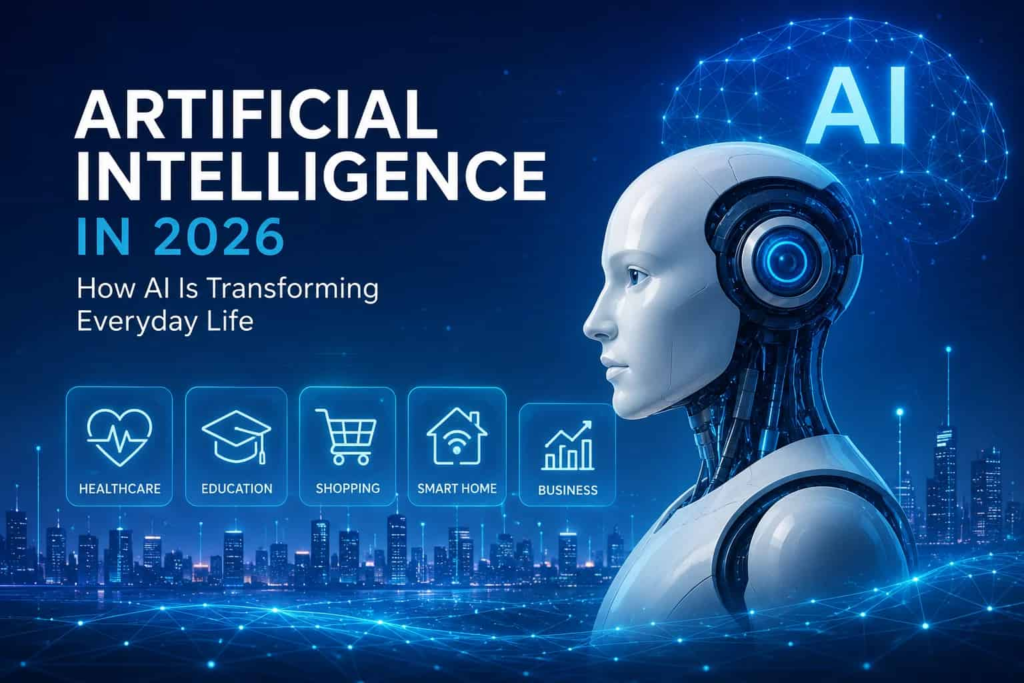
Artificial intelligence has become a big part of our lives. It works quietly in the background to make our lives easier. Whether it’s helping you navigate traffic or suggesting movies, it’s all thanks to Artificial intelligence.
These tools use lots of data to help you make quick, smart choices. By letting technology handle the routine tasks, you can focus on what’s important. Let’s see how these digital assistants are changing our world.
Key Takeaways
- Modern technology has evolved into an essential part of your daily routine.
- Smart systems now influence your personal choices and professional productivity.
- Advanced algorithms learn your preferences to provide a more personalized experience.
- Automation helps you save time by managing repetitive and mundane tasks.
- Understanding these tools empowers you to navigate the digital landscape with confidence.
The Invisible Hand of Artificial Intelligence
The fast growth of Artificial intelligence technology has changed how we interact with the world. What was once in labs is now in our phones, cars, and homes. This change has deeply affected how we handle our daily tasks.
The Shift from Novelty to Necessity
Before, using advanced computing was like science fiction. Now, artificial intelligence is a must-have, like electricity or the internet. It helps you manage your time, drive, and keep your online accounts safe without you even thinking about it.
This integration is so smooth, you often forget it’s happening. Just like you don’t think about the power grid when you turn on a light, you don’t think about the Artificial Intelligence processing your requests. This invisible infrastructure is key to our modern convenience.
Why You Are Already Living in an Artificial Intelligence-Driven World
You rely on these systems more than you might realize. From waking up to bedtime, ai technology is making your world better. It’s filtering your emails and suggesting songs you might like, all based on what you do.
The table below shows how Artificial Intelligence has replaced old ways in your daily life:
| Daily Task | Traditional Method | AI-Driven Approach |
|---|---|---|
| Navigation | Paper Maps | Real-time Traffic Routing |
| Communication | Manual Typing | Predictive Text & Voice |
| Security | Physical Keys | Biometric Recognition |
| Information | Encyclopedias | Instant Query Processing |
By using artificial intelligence, you’ve reached a new level of efficiency. This shift shows how advanced tools support your life. You’re not just using tech; you’re living in a world where intelligence is part of everything.
How Machine Learning Personalizes Your Digital Experience
Every time you open your favorite app, a complex digital engine starts working. It uses machine learning to understand your unique browsing habits and history. This system analyzes a lot of data to create a personalized environment that changes as your interests do.
Curating Your Entertainment and News Feeds
Platforms like Netflix, Spotify, and news aggregators use sophisticated algorithms to keep you interested. They track what you watch, listen to, or read to learn your preferences. This machine learning ensures your home screen shows content you’ll likely enjoy, saving you time.
These systems also notice small patterns in your behavior. If you often skip certain genres or topics, they adjust your feed in real-time. This makes your experience feel natural and tailored to your needs.
The Mechanics Behind Your Targeted Recommendations
The heart of this technology is predictive modeling. When you interact with a platform, it values your actions, like clicks and watch time. Through machine learning, it compares your data with millions of others to find patterns.
This collaborative filtering helps predict what you might like next with great accuracy. The technology keeps improving its models, making sure your digital space stays relevant. These targeted recommendations change how you find new music, movies, and information every day.
The Evolution of Smart Homes and Robotics
The dream of a fully automated home is now a reality. You see gadgets turning into smart, connected systems. This change is thanks to robotics, which manage your home’s tasks.
From Automated Vacuums to Integrated Ecosystems
Before, you had separate devices that didn’t talk to each other. Now, they work together through a central hub. This makes your home run smoothly.
Thanks to Matter, your lights, thermostat, and security work together. Your home now knows what you need before you ask. Efficiency is key, and you can control everything from your phone or voice.
How Robotics Are Redefining Domestic Chores
Robotics in your home do more than just clean floors. They now handle tasks like lawn care, window washing, and pantry management. This gives you more time for important things Artificial Intelligence.
Robots take over the hard work, making home care easier. Here’s how they compare to old ways of doing things.
| Task Category | Traditional Method | Modern Robotics Solution |
|---|---|---|
| Floor Cleaning | Manual vacuuming | Autonomous robotic vacuums |
| Lawn Care | Push mowing | Automated robotic mowers |
| Home Security | Manual locks | AI-monitored smart sensors |
| Energy Usage | Manual adjustments | Predictive climate control |
Data Science and the Future of Your Personal Health
Modern medicine is changing. It’s not just about treating symptoms anymore. Now, it uses data science to predict your future health. Doctors can see patterns in huge amounts of data that were once hidden.
Predictive Analytics in Modern Medicine
Predictive analytics is a powerful tool for doctors. Artificial Intelligence helps them spot health issues before they get serious. By looking at your medical history and genes, these systems can warn of risks early.
This transformative tech lets your healthcare team make plans just for you. Artificial Intelligence can act fast, cutting down on emergency visits and improving your life in the long run. You get a system that focuses on keeping you healthy, not just treating problems.
Wearable Technology and Real-Time Health Monitoring
Wearable devices put your health in your hands. They track your heart rate, sleep, and activity. By linking this data with data science, you see how your habits affect your body.
This constant flow of data lets you make smart choices about your life. Whether it’s counting steps or checking blood oxygen, you’re not guessing about your health. You’re taking charge with data-driven insights.
| Feature | Traditional Monitoring | AI-Driven Monitoring |
|---|---|---|
| Data Frequency | Occasional check-ups | Continuous, real-time |
| Health Insights | Reactive diagnosis | Proactive prediction |
| Data Science Role | Manual record keeping | Automated pattern analysis |
| User Involvement | Passive patient | Empowered participant |
Navigating the Ethical Dilemmas of AI Technology
Every time you use a digital tool, you’re making a choice. These choices shape our world. As we use more automated systems, it’s key to see the moral impact they have. The fast growth of artificial intelligence means we must think about its effects on our lives.
Addressing Bias in Algorithmic Decision Making
Algorithms learn from past data, which can include biases. If this data is biased, the Artificial Intelligence decisions might not be fair. It’s important to know that these systems are not always neutral.
“The danger is not that computers will begin to think like humans, but that humans will continue to think like computers.”Sydney J. Harris
Now, developers are working to fix these biases. They check data for fairness and aim to make AI fair for everyone. Your support in demanding fairness helps companies improve their digital products.
The Responsibility of Transparency in AI Development
Transparency is key in the digital world. You should know how ai technology makes decisions, especially when they affect your life. When developers explain their methods, you can make better choices.
Being open about data processing makes a safer space for users. Transparency lets experts check if systems are ethical. As you use these tools, asking for clear explanations is your best way to ensure they match your values.
Transforming the Way You Work and Create
You’re entering a new era where digital tools boost your creativity. These tools connect your ideas to professional results. With machine learning, you can explore ideas faster than before.
Generative AI as Your New Creative Partner
Modern software is like a creative partner that gets you. It helps when you’re stuck, offering ideas to break through barriers. It doesn’t replace your vision but helps you work on complex projects.
These tools learn your style, whether you’re writing, designing, or coding. Thanks to machine learning, they make sure the output meets your goals. You’re in charge, and the tech does the hard work.
Automating Mundane Tasks to Boost Your Productivity
Your time is precious in today’s fast world. Automating simple tasks lets you focus on big ideas. This way, you can use your skills for what really matters.
Think about how much time you spend on data entry or planning meetings. Intelligent systems can handle these tasks well, cutting down on mistakes. As machine learning gets better, your workday will get easier.
| Workflow Stage | Traditional Method | AI-Assisted Method |
|---|---|---|
| Idea Generation | Manual brainstorming | Instant concept mapping |
| Data Processing | Spreadsheet entry | Automated data analysis |
| Content Drafting | Writing from scratch | Drafting with smart prompts |
| Task Management | Manual scheduling | Predictive calendar optimization |
The Changing Landscape of Transportation and Logistics
From your driveway to city streets, the future of travel is getting smarter. You’re seeing a big change in how vehicles talk to their surroundings. This change comes from complex software that works faster than any human.
The use of robotics in cars has grown. Now, your daily drive uses advanced sensors to see the world around it. These sensors help your car make quick decisions to keep you safe and comfortable.
utonomous Features in Your Personal Vehicle
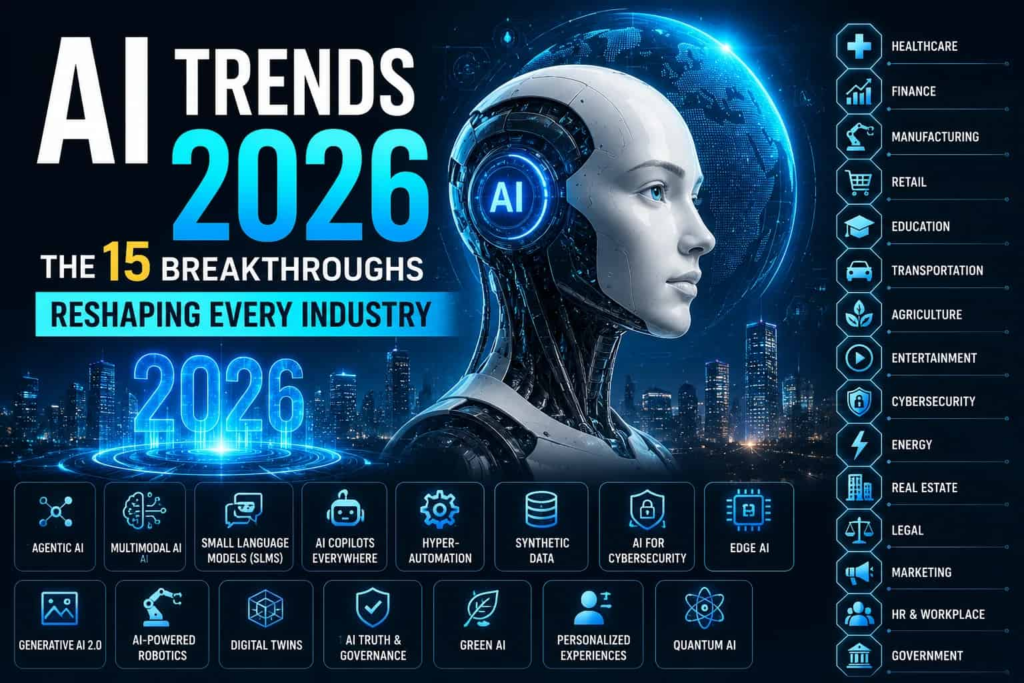
Features like adaptive cruise control or lane-keeping assistance are already in your car. They’re the start of full autonomy. With robotics and computer vision, your car can keep a safe distance and stay in its lane.
These features help make long drives less stressful. They act like a co-pilot, watching for dangers you might not see. As this tech gets better, your car will handle even more tasks, like navigating through heavy traffic.
Optimizing Urban Mobility Through Intelligent Systems
Intelligent systems are also changing how cities manage traffic. Smart traffic lights and connected roads talk to cars to cut down on jams. This makes traveling through the city better for everyone.
By looking at data from many commuters, city planners can change traffic patterns on the fly. This cuts down on time spent waiting and saves fuel. You get to your destination faster and have a more reliable daily routine.
| Feature | Traditional Transport | AI-Driven Transport |
|---|---|---|
| Navigation | Manual map reading | Real-time predictive routing |
| Safety | Human reaction time | Advanced robotics sensors |
| Traffic Flow | Fixed signal timing | Dynamic, adaptive management |
| Maintenance | Reactive repairs | Predictive diagnostics |
Balancing Convenience with Privacy Concerns
As Artificial intelligence becomes part of your daily life, data security is key. You enjoy easy experiences, but they come at the cost of sharing personal info. It’s important to find a balance between convenience and privacy for a safe digital world.
The Trade-off Between Personalization and Data Security
Modern services use your data to guess what you want. This personalized approach saves time but also builds a detailed profile of you. Think if the benefits of a tailored feed are worth the risk of your data being stored.
Using ai technology means sharing parts of your identity for convenience. Companies say this data helps improve their services. But, it’s crucial to know how much info you share and who sees it.
Protecting Your Digital Footprint in an AI Era
You don’t have to give up modern tools to protect your online presence. You can enjoy Artificial intelligence benefits while keeping your data safe. Making small, consistent changes can greatly reduce risks.
Here are some steps to keep your privacy while using advanced ai technology:
- Review privacy settings on all your social media and smart device accounts regularly.
- Use multi-factor authentication to add an extra layer of security to your personal data.
- Limit the amount of personal information you share with third-party applications.
- Delete old accounts that you no longer use to minimize your digital footprint.
By staying informed and proactive, you can confidently use the digital world. You have the power to choose which services you trust and how much of your life you share online.
Conclusion
Your daily life now depends on complex algorithms and quick changes. Data science has changed how you see the world. These systems quietly shape your surroundings, health, and work.
Staying up-to-date is key to handling these changes. You can pick which tools help you and which might harm your privacy. By actively using these technologies, you stay in charge of your online presence.
Think about how you use smart devices and automated services every day. You can use these tools to make your life easier while keeping your data safe. The world of technology is always changing fast.
Your ability to adjust will decide your success in this new world. Keep learning about data science to better your life and work. The future is for those who know how to use the tools that shape it.
FAQ
How has artificial intelligence transitioned from a futuristic concept into a daily necessity for you?
Artificial intelligence has become as essential as electricity or the internet. It’s now in your pocket, helping you manage your day. You use it many times a day to get things done more efficiently.
In what ways does machine learning personalize your digital entertainment and news?
Netflix, Spotify, and YouTube use machine learning to guess what you like. They look at what you’ve watched or listened to before. This way, they show you content that keeps you interested.
How are robotics and smart home ecosystems redefining your domestic chores?
Home automation has grown beyond simple vacuums. Now, devices from Amazon Ring and Samsung SmartThings work together. They make your home smarter, handling tasks like security and temperature control.
How can data science and predictive analytics empower you to take control of your health?
Data science is changing healthcare with wearable tech like Apple Watch or Fitbit. These devices monitor your health and predict health issues. This helps you stay healthy and avoid serious problems.
What should you understand about the ethical dilemmas and biases within ai technology?
It’s important to know that ai can reflect human biases. Companies like Microsoft and IBM are working to make ai fair. They want to ensure that ai decisions are just and transparent.
How does generative artificial intelligence act as a partner in your professional and creative work?
Tools like ChatGPT and Adobe Firefly help you work smarter. They can brainstorm ideas, write emails, or create visuals quickly. This lets you focus on more important tasks.
How are intelligent systems and robotics changing the landscape of your daily transportation?
Cars from Tesla and Waymo are changing how we travel. They use sensors and robotics to make driving safer and more efficient. This makes your commute better and easier to handle.
How can you balance the convenience of personalized AI services with your privacy concerns?
AI makes life easier but can also risk your privacy. To stay safe, use privacy tools and control your data. Knowing how your data is used is key to keeping it secure.